More Posts
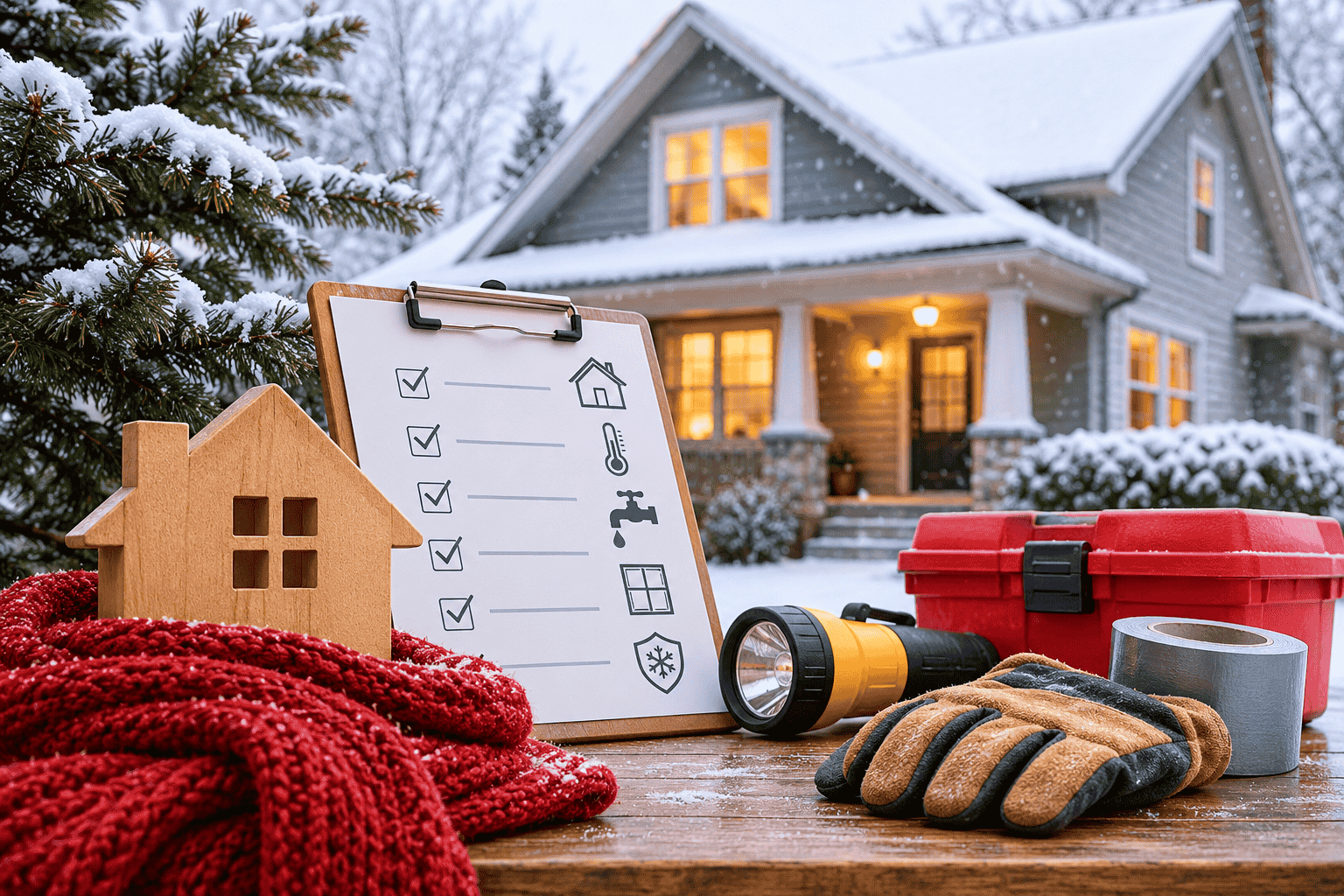
There is a great deal to deal with when winter weather sets in. It brings issues such as cold drafts, frozen pipes, clogged gutters and larger bills for heating, just to name a few. Many problems caused by winter are avoidable if you take time to make a few adjustments now.
You can prepare for the upcoming winter for a reasonable cost. Things that should be on your list for this process are sealing window air gaps, making sure the heating system is in order, and making sure the faucets on the exterior of the winterizing house are protected. In the event a repair is needed that requires a professional, there is an app “TapAFix” you can download to make an appointment.
There are some great tips below for winterizing house to prepare it for the winter.
1. Seal Your Windows With Insulation Film
The cracks around the windows still allow the entry of cold air despite the windows appearing closed. Insulation film provides an additional barrier against the cold.
Insulation film is sold at the hardware store in shrink-wrap rolls. When it’s applied to the frame of the window with a hairdryer, it is essentially another layer that keeps warmth inside.
2. Add Door Sweeps and Weatherstripping
Take a close look at the side and the bottom edges of the outside doors. Do you notice a stream of air sneaking in? It could be an indication of an ineffective door sweep or a gap in the weatherstripping.
Both the door sweep and the weatherstripping act to restrict airflow, therefore stopping warmth from escaping. They’re both very affordable, so if you notice air leaking, there’s no reason not to replace them.
3. Insulate Exposed Water Pipes
Frozen pipes lead to major water damage in the winterizing house. Basements, garages, and other rooms that lack central heat and air and crawl spaces are most at risk of experiencing frozen pipes in freezing conditions.
Use foam pipe insulation sleeves to insulate exposed pipes. If temperatures are very cold, heat cables approved by the manufacturer should be used. Inspect pipes on a regular basis for leaks and damage.
4. Disconnect and Drain Outdoor Faucets
When winterizing house, don’t neglect your outside plumbing. Water in garden hoses and unopened exterior faucets may freeze and cause pipes to crack.
Unplug garden hoses, drain them and bring them inside. If you have a shut-off valve for your outside faucets, close them and drain out any water. There are insulated faucet covers for added protection, too.
5. Reverse Your Ceiling Fans
In winter, use the ceiling fan to circulate warm air. Most fans come with a small switch to reverse the rotation.
Adjust the fan to low speed in the clockwise direction. This encourages warm air that is brought into the room near the ceiling to flow back down into the room. You might notice that it’s more comfortable and comfortable to adjust the temperature a bit lower.
6. Clean Your Gutters and Downspouts
In fall, leaves and debris may clog your gutters. If water cannot run off properly after snow melts, the water can freeze next to the roof and can cause ice dams.
Have gutters cleaned out before winter. Clear leaves, twigs and other debris and ensure downspouts lead water away from the foundation of the winterizing house.
7. Service Your Furnace and Replace Air Filters
It is likely that your heating system will have to work harder in the winter, make sure it is prepared.
Change dirty HVAC filters as per the manufacturer’s guidelines. A clean filter maintains a proper air change rate, and keeps your system running properly.
You should also have professional furnace inspection, too. A technician can inspect the equipment; determine potential problems, and ensure the safety of the equipment.
8. Install Foam Gaskets Behind Electrical Outlets
Ever thought that cold air can get into the winterizing house through electrical outlets on the outside walls? Outlet boxes can have gaps around them which can form drafts.
Foam outlet gaskets are designed for behind outlet and switch cover plates. These blockages are filled by them and their installation is relatively cheap.
When removing cover plates, turn the power off at the breaker! If you are not certain about the safety of this, consult an electrician for assistance.
9. Upgrade to a Programmable Thermostat
Keeping the home at the same temperature throughout the day when nobody is there can lead to energy loss. A programmable or smart thermostat allows you to program the temperature automatically.
Use a comfortable temperature at home – reduce it while sleeping or away. Recommendation is to set around 68°F (20°C) when you’re awake and when you’re at home, but this may be different for everyone.
Don’t set the thermostat too low if there is the potential for frozen pipes to occur.
10. Inspect and Clean Your Fireplace
If you have a wood burning fireplace, have the chimney inspected and cleaned before you start using it for the heating season. Creosote buildup can be a hazard to a fire.
Clear out a lot of ash from the fire box, and inspect for damaged parts. Schedule servicing for gas fireplaces as required and ensure that the flue is functioning properly.
In addition, be sure to close the damper when the fireplace is not being used, but after the fire has gone out, and after it is safe to do so.
11. Use Thermal or Insulated Curtains
Even if windows are not leaking, they can lose heat. Thermal curtains are also insulating.
Open them on sunny days to allow a natural heat in your rooms. Keep them closed at night to minimise any heat loss through the glass.
Try to use curtains that completely cover the window and are tight to the window frame.
12. Protect Your Outdoor Furniture
Winter weather (snow, rain and cold temperatures) affect outdoor furniture. Wooden furniture can crack, metal items will rust and cushions can get mould if they remain wet.
Move cushions, umbrellas, and other small decorations indoors. Place furniture in a garage or shed, if available. Use waterproof covers and make sure they are properly fastened if you don’t have indoor storage, then keep them out of strong winter winds.
13. Prepare a Winter Emergency Kit
Sometimes winter weather can make for a power outage, closed roads, and delays in services. Prepare a couple of supplies in advance.
Your Winter Emergency Kit should contain:
- Flashlights and additional batteries.
- A first-aid kit
- Use blankets and additional clothing to keep warm.
- Bottled water and non-perishable food.
- A snow shovel
- Ice melt or sand
- Portable phone charger.
To store all items in a readily accessible location in case of an emergency.
Get Your Home Ready Before the Cold Arrives
Little things done properly to prepare for winter, can stop big things from becoming big things. You should begin winter home preparation with your doors, windows, pipes and heating equipment. Finally you can move to your exterior and emergency supplies.
Above is a list of some of the easier things you can do to maintain your home in winter and avoid unnecessarily heating your home. Do not leave until the last minute before the first cold night to start cold weather home preparation/maintenance. These things will make the upcoming months easier for you.
Frequently Asked Questions (FAQs)
What does it mean to winterize your winterizing house?
Winterization is doing things around your home in preparation for the winter. These things include the prevention of the freezing of your home and things inside your home. Sealing drafts around your home. Heating systems should be maintained, and outside spaces covered so they do not freeze.
How to proof a winterizing house?
The most common ways to make your home winter ready are by adding caulking around doors and windows. You should also make sure to insulate any pipes you have on the exterior of your winterizing house. It is good to keep your gutters clear as well. Finally you can service your furnace and cover the faucets that are on the exterior of your house. These things keep your house safe from the cold, frozen pipes, and avoid winter damage.
How does winterization work?
When you winterize your home you reduce heat loss. In addition to reducing heat loss you are also able to prevent things in the most sensitive areas of your home from freezing.
What are 25 genius tricks for warming a freezing cold house?
Among the things that work really well to heat your winterizing house include having thermal curtains, using insulation for exposed pipes and heating systems and having an efficiently working heating system along with a programmable thermostat. Another great trick is to fill the gaps in windows and doors.