More Posts
Found a dark patch on your bathroom ceiling or a few spots around the window? It could be mold. These are possible indicators of mold․ Mold remediation often develops in places where moisture has been sitting for too long․
A small mold infestation may not look like a serious problem‚ but it lead to bigger issues․ Mold remediation can spread on walls and other indoor surfaces with moisture problems or high humidity․
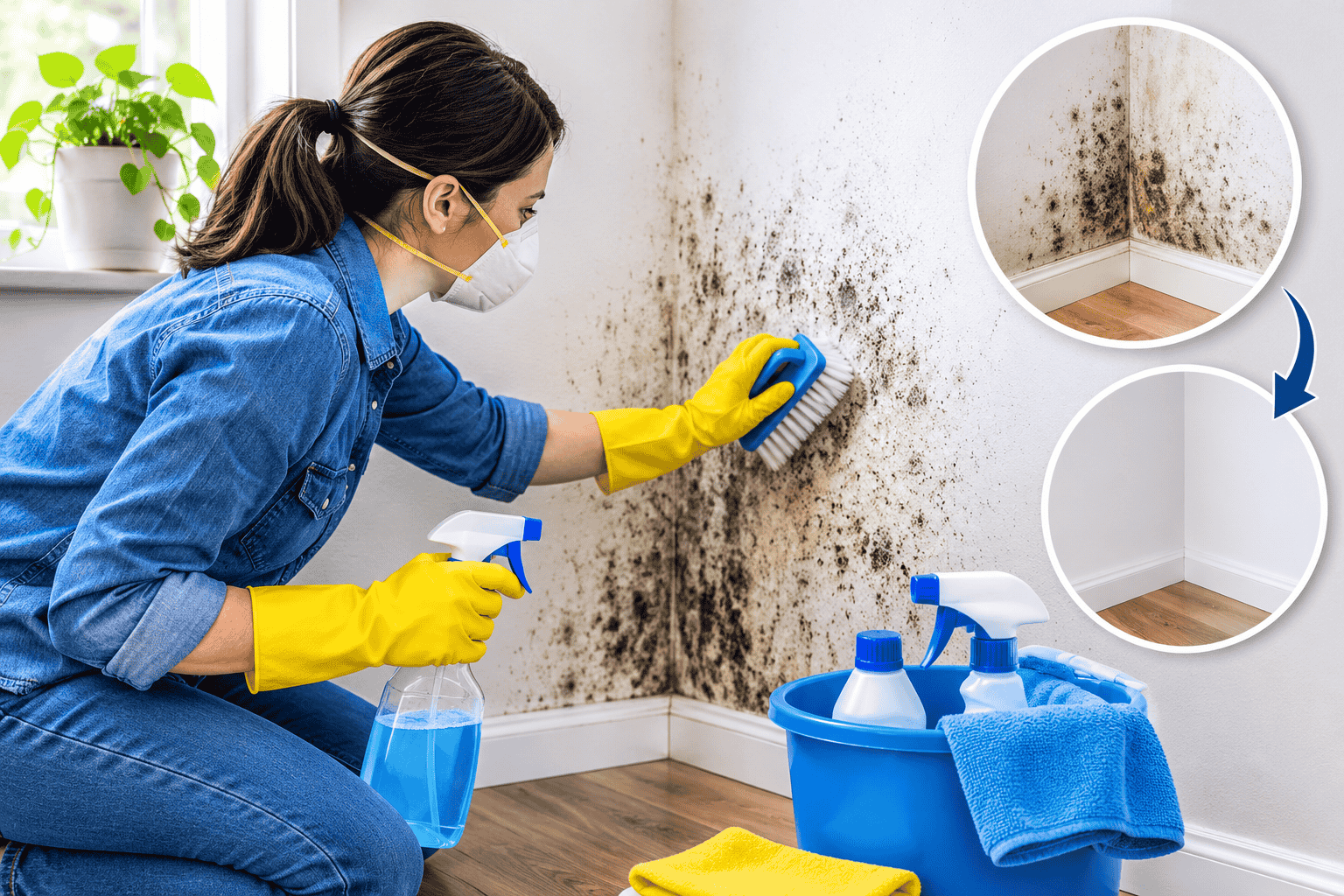
The good news is that there are things you can do to handle small mold remediation problems yourself․ Using protective gear and cleaning supplies‚ along with precautions to prevent moisture problems in the future‚ will help you manage mold․
Here are tips for safe mold remediation and when to call a professional cleaning service․
1. Check How Much Mold Remediation You Have
First‚ determine the severity of the mold problem․ Certain mold problems are unsafe for homeowners to attempt to clean․
According to Health Canada‚ mold is a low concern if you have three or fewer mold clusters covering less than one square meter of surface area․
You may be able to clean a small spill on your own with necessary precautions․
Call a professional if:
- Mold remediation covers a large area.
- You find mold in several rooms.
- It keeps returning after cleaning.
- It has spread inside walls, ceilings, or HVAC systems.
- Building materials are badly damaged or rotting.
- The mold remediation is caused by sewage or contaminated water.
Asthma‚ allergies‚ and other health problems make it unsafe for some people to attempt mold remediation cleanup․ Children and other sensitive individuals living in the home should avoid contact with mold cleanup․
2. Wear the Right Safety Gear
Don’t handle mold or use a basic face mask when cleaning it․ Scrubbing mold in house can release mold particles into the air․
Before starting the activity‚ collect these materials:
- N95 respirator: Prevents inhalation of mold spores․ Make sure you are properly wearing the N95 respirator․
- Safety glasses: Protect your eyes from debris and cleaning fluids․
- Rubber or disposable gloves: Protect hands and skin from mold and cleaning agents․
- Old clothes: Wear clothes you don’t mind throwing out or cleaning after the mess is cleaned up․
- Cloths and brushes: Cleaning supplies for dirty surfaces․
Limit or prevent human and animal entry to the moldy area․ Do not use dry brushing or sanding techniques to clean mold․ These techniques can spread mold spores through the air․
3. Choose the Right Cleaning Solution
You do not need special cleaning supplies kept in a cabinet to address minor mold issues․ Warm water and unscented dish soap are recommended by Health Canada as ways to address minor mold issues in the home․
Here are some suggestions for activities:
Cleaning option | Best use |
Warm water and dish soap | Small patches on washable surfaces |
Baking soda and water | Gentle cleaning of suitable surfaces |
Commercial mold cleaner | Follow the product label and surface instructions |
Important: Do not use bleach to clean mold․ Bleach won’t fix the moisture problem that causes mold growth and is unhealthy for people․ Do not mix bleach with ammonia‚ vinegar‚ or other cleaning products․
4. Follow These Steps for DIY Mold Remediation Removal
After checking the area and preparing your safety gear‚ you can start cleaning a small section․
Step 1: Prepare the area
- Take away towels‚ mats‚ toiletries‚ and other items from the area․
- Remove children and pets from the room․
- Open a window if it doesn’t cause mold to grow in other areas of your house․
- Do not apply fans that blow air onto the mold․
Step 2: Clean the affected surface
For washable surfaces such as tiles and windowsills:
- Mix warm water with a little unscented dish soap․
- Dip a cloth or sponge into the solution․
- Gently scrub the moldy area․
- Rinse left over soil or cleaning product from the plant with a damp cloth․
For painted walls‚ dampen a cleaning cloth but do not get drywall wet․ Mold on painted walls cannot be treated if mold grows underneath the paint․
Step 3: Dry the area completely
This is as important as the cleaning process․
Wipe the surface with a dry towel to remove water․ Allow the surface to dry completely․ Use suitable ventilation or a dehumidifier to help the process․
Don’t reinstall furniture and other wall-mounted items until the damaged wall area dries.
Step 4: Dispose of contaminated items
Some products cannot be safely decontaminated if moldy․ You may need to dispose of:
- Moldy ceiling tiles
- Extensive damage to carpet and padding
- Damaged insulation
- Severely moldy drywall
- Wet‚ moldy cardboard boxes
Tie contaminated items in plastic bags before throwing them away to avoid spreading mold spores․
5. Pay Attention to Bathroom Mold
Bathrooms are a common place to find mold growth due to showers‚ hot water‚ and other conditions that create moisture․
If you discover mold in the bathroom‚ try these tips:
- Run the exhaust fan during and after showering․
- Remove water from shower walls and glass․
- Clean tile grout regularly․
- Repair leaking tap and shower fittings․
- Unfold damp towels and place them where they can dry․
- Do not leave wet bath mats on the floor․
Check ceilings and walls․ Multiple instances of mold in a given location may point to plumbing and other issues with your building’s ventilation and plumbing systems that require repair․
6. Find the Moisture Source Before Mold Returns
Eliminating mold will not solve the problem․ Mold can regrow without fixing other issues in the home that contribute to high levels of moisture․
Check for these common problems:
- Leaking pipes: Look under sinks and other plumbing installations․
- Roof leaks: Check for water stains and other evidence of moisture on ceilings․
- Windows: Look for signs of condensation and damaged window seals․
- Basements: Look for signs of water damage to basement walls and floors․
- Poor ventilation: Inspect bathroom and kitchen exhaust fans to ensure they are working․
If you find a leak‚ fix it before repainting or replacing damaged items․
7. Follow These Mold Prevention Tips
After the cleanup‚ consider these mold prevention tips to avoid future water damage to your home․
- Keep indoor humidity between 30% and 50%․
- Install exhaust fans in the kitchen and bathroom․
- Fix plumbing leaks quickly․
- Do not dry wet clothing in poorly ventilated rooms․
- Clean gutters and reroute other sources of water away from the foundation․
- Install a dehumidifier in damp areas of your basement․
- Search under and around furniture and in closets occasionally․
- Dry wet surfaces and other items promptly․
These tips help prevent conditions that lead to mold growth․
8. When Should You Hire a Mold Remediation Professional?
DIY cleaning solutions are suitable for minor‚ individual cases․ Professional cleaning services may be suitable in other cases․
Consider hiring an expert if:
- Mold grows in large patches․
- You notice a strong musty smell but can’t locate it․
- Mold is growing behind drywall or other flooring materials․
- You have a continuing mold problem․
- The property has major water damage․
A professional can assess the cause of water damage and other problems and recommend cleanup strategies to protect property․
If the leak is a plumbing issue‚ you can use the TapAFix app to book a plumbing professional to repair the issue causing moisture problems․
Keep Mold From Becoming a Bigger Problem
Small mold problems can be addressed more effectively if caught early․ Precautions and washing the affected area with soapy water can remove mold from surfaces․ Let moldy surfaces dry completely․
First‚ work to resolve the conditions that caused mold growth․ Steps to prevent moisture problems include improved ventilation․
A dry‚ clean home environment is the best approach to prevent mold from returning․
Frequently Asked Questions (FAQs)
How do you remediate mold yourself?
Wear an N95 respirator and safety goggles and gloves․ Clean small mold patches on washable surfaces with warm water and unscented dish detergent․ Allow items to dry completely and fix moisture problems to prevent future mold growth․ Hire a professional to clean large or inaccessible mold-contaminated items․
What does mold remediation mean?
Mold cleanup activities include mold removal‚ cleaning affected areas‚ addressing moisture concerns‚ and other actions to prevent future mold growth․
What are the 10 signs of mold toxicity?
Symptoms sometimes associated with mold exposure include:
- Persistent coughing
- Sneezing
- Runny or blocked nose
- Itchy or watery eyes
- Skin irritation or rashes
- Sore throat
- Wheezing
- Shortness of breath
- Headaches
- Worsening asthma symptoms
Note: These symptoms are not definitive indicators of mold toxicity․ Allergies and other respiratory problems are common in people exposed to mold‚ but there is no standard medical list of ten symptoms of mold exposure․
Can mold truly be remediated?
Yes․ Mold can be cleaned from mold-contaminated objects and mold-contaminated materials can be discarded․ Measures need to be taken to fix the moisture problems that caused mold growth․ If moisture problems are not corrected‚ future mold growth is likely․