More Posts
Even if your home is heated, the cold air that penetrates through your weatherproofing windows can make your home uncomfortable. You may have noticed cold areas around the sofa, cold floors by the weatherproofing windows or corners in the room which are never properly heated.
The issue may be gaps around the frames or the windows are not adequately insulated. Fortunately, you don’t have to replace your windows to resolve this issue. The following simple suggestions will help to keep warm air in and cold air out.
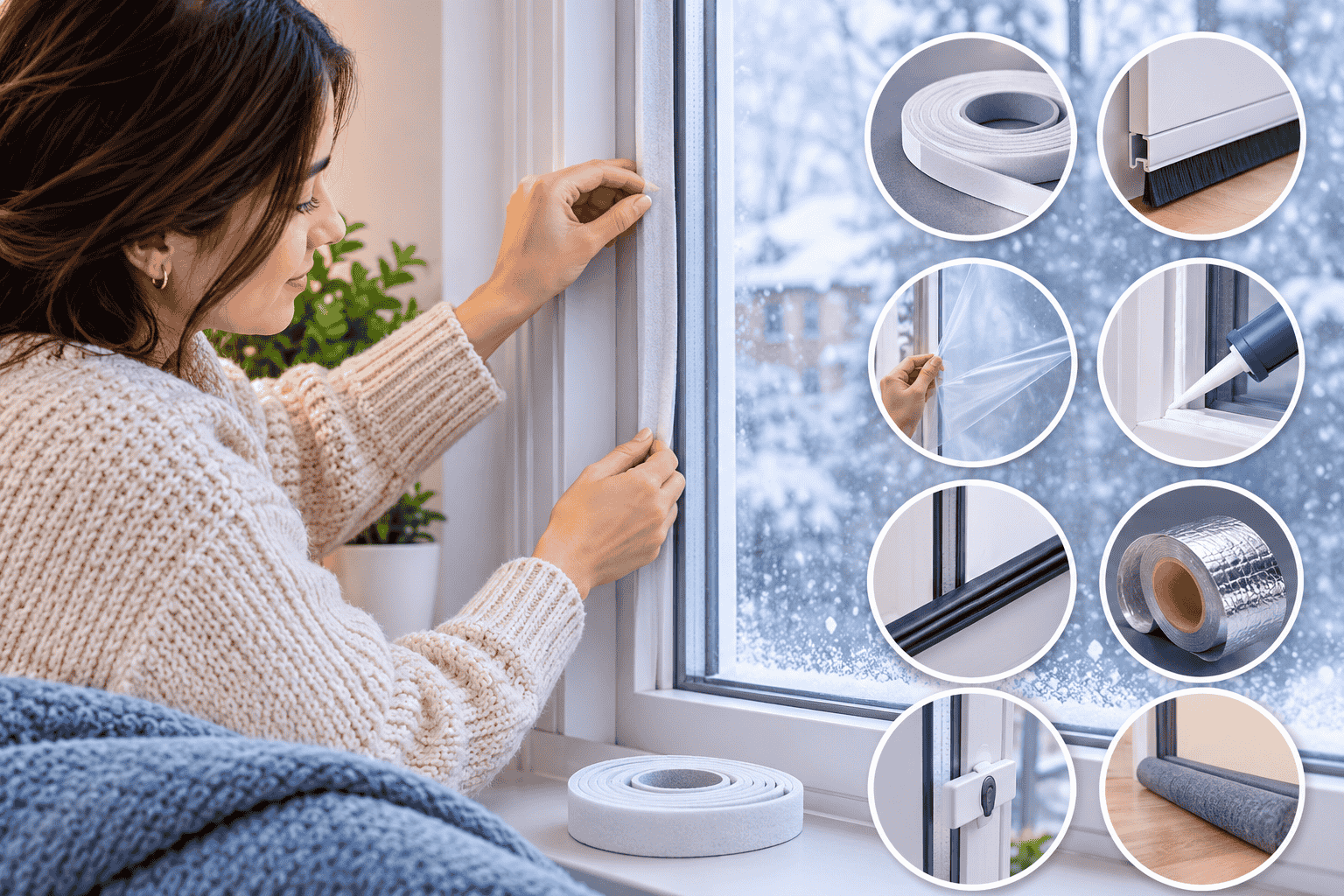
One of the simplest tips to make your home more comfortable in the winter is to weatherproofing windows. These are eight suggestions that you can implement without breaking the bank.
1. Apply Window Insulation Film
If you are feeling cold air around your window, a simple solution is to install window insulation film. It is a clear plastic window frame mounted in the window frame by the double-sided tape.
When attached, gently shrink the film with the use of a hair dryer until smooth and tight. This leaves an air gap between the glass and plastic.
Why it helps:
- Provides additional insulation.
- Helps reduce cold drafts.
- Maintains a clear window when installed.
- Can be used as a temporary winter solution.
Before you put the film on the frame, be sure to keep it clean and dry. For best results, follow the kit directions.
2. Seal Gaps With Caulk
Cracks in the frames around weatherproofing windows let cold air into your home․ Cracks may not be easy to spot during warm weather․ They may be easier to spot during cold weather․
Caulking around these spaces can prevent air leakage around weatherproofing windows․
How to do it:
- Remove old‚ peeling caulk․
- Clean the area and let it dry․
- Seal the spaces around weatherproofing windows and doors with window and door sealant․
- Smooth the sealant according to the manufacturer’s instructions․
- Let it dry thoroughly․
Use interior and exterior sealants as needed․ Do not seal drainage openings or weep holes in window frames․ These are drainage features․
3. Install Weatherstripping Around Moving Parts
If cold air enters a window through gaps in its opening and closing mechanisms‚ weatherstripping can help keep cold air out․ Weatherstripping is used to seal gaps in a window’s moving parts to prevent air from entering․
You have information on different materials:
- Foam tape: Easy to apply; works well to fill small gaps․
- Rubber strips: More flexible and longer lasting in general․
- V-strip: Seals well when the window is closed․
Clean the installation area and measure the gaps carefully․ Choose a thickness for the window that will fit in the space without preventing the window from fully closing․
Check the strips regularly․ Replace any loose or damaged strips․
4. Use Draft Stoppers Along Window Sills
No tools are needed for winter home improvements․ Installing a draft stopper can help block cold air from entering your home near the bottom of a window․
You can buy ready-made window drafty house stoppers or make your own using a long piece of fabric filled with suitable material․ Rolled-up towels and other items can be used as window draft stoppers․
Place it along the bottom edge of the window where air is coming into the room․
This solution is inexpensive and can be easily removed when weather warms up․ Will not block gaps around the sides and top of the window frame․
5. Hang Heavy or Thermal Curtains
If your windows are cold‚ even with weatherproofing windows closed‚ consider new curtains․ Lightweight curtains don’t help protect you from cold windows․
Thermal curtains have an insulating layer or other material to block heat loss through weatherproofing windows․ They also provide home insulation from cold windows․
For better results:
- Choose curtains with thermal or insulating backing․
- Make sure they cover almost all of the window․
- Close them at night to keep heat inside the building․
- Open weatherproofing windows during sunny winter weather to let warm air into your home․
If you have radiators or other heating sources near your weatherproofing windows‚ don’t hang curtains that will interfere with heat․
6. Install Cellular or Honeycomb Shades
Cell shades are another option for winter use․ Cell shades are hexagonal and have air pockets that help insulate better than regular blinds․
These pockets contain air to insulate the window from the rest of the room․ Insulation can keep heat from moving into or out of the room‚ keeping the room more comfortable․
There are single-cell and double-cell models․ Double-cell blinds provide better insulation because there is space between cells․
Choose window trim colors similar to the color of the window frame․ Differences in color between the window frame and window trim can reduce the insulating effectiveness of window trim․
7. Try Bubble Wrap for a Quick DIY Fix
Looking for a cheap way to insulate an old window? Bubble wrap is easy to DIY.
Bubbles of trapped air inside bubble wrap act as an additional insulating layer. Bubble wrap isn’t as pretty as window film, but it helps insulate against the cold on glass.
The process is as follows:
- Measure your glass, and cut your bubble wrap to the appropriate dimensions.
- Apply a very fine mist of water to your window glass.
- Stick the bubbles against the glass.
- Smooth the bubble wrap down so it remains in place.
- Use this method to insulate your basement or storage windows.
Remember that bubble wrap will reduce transparency and light. It is more of a quick fix than a permanent improvement.
8. Add Interior Storm Windows or Secondary Glazing
Maybe the time has come for something beyond temporary remedies.
Interior storm windows and secondary glazing place an extra layer within the frame of an existing window. A layer of air acts as an insulator between the existing window pane and the secondary layer.
More insulation reduces heat loss and limits cold air, making the indoors more comfortable.
Some interior windows can be removed, and others are made for longer periods of time.
After making the measurements, verify if the existing frames are in good shape. There may be a need to hire an expert if the windows are oddly shaped.
Other Home Weatherproofing windows Tips for Winter
Aside from your windows, there are other points of entry for cold air. When the windows are fully closed and there’s still an obvious chill, you should take a closer look around the rest of your house.
- Exterior doors: You can apply weatherstripping to the door frame, and install a door sweep along the bottom edge of the door.
- Attic insulation: Take a closer look and ensure your attic insulation is in good shape. Damaged insulation can let the heat out and the cold in.
- Basement windows: Take a look to ensure there aren’t any broken seals, and make sure that there aren’t any gaps.
- Electrical outlets: You can check for any air flow around electrical outlets.
- Window locks: Ensure your windows close tight, and ensure they are locked.
For those who live in older properties, you’ll find that a combination of these smaller insulation improvements will have an impact.
Make Your Home More Comfortable This Winter
Replacing every window is not necessary to keep your home warm. Insulating film, fresh caulk, weatherstripping and curtains can easily block drafts and increase the overall comfort of a room.
First identify where the air is coming in. Next, look for a solution that meets the specific needs of your window and fits your budget. If you need assistance with additional repair issues like damaged window frames, the TapAFix app can assist you.
A small investment of your time now can significantly improve the comfort of your home and the efficiency of your heating system.
Frequently Asked Questions (FAQs)
How to weatherproof your windows for winter?
To block air flow, you can add window insulation film, caulk, weatherstripping, or draft stoppers. Using window coverings, such as curtains, can help keep heat in as well.
What is the cheapest way to insulate windows for winter?
A very cheap and simple way to insulate is bubble wrap. Spray some water on the glass, place the bubble side on the window, and you have instant insulation.
What is the best window covering to keep out the cold?
There are many great window coverings, such as cellular honeycomb shades and thermal curtains. These types of coverings trap air and stop heat from escaping your house.
What is the best window sealant for winter?
For the outside of your house, use an exterior silicone caulk because it stands up well to extreme cold and damp conditions. Inside, acrylic latex caulk usually works best.