More Posts
-
3 Best House Cleaning Services for Every Budget in 2026
-
Why Your Breaker Keeps Tripping and When You Need Electrical Repair
-
Interior Painting: Costs, Paint Types, Room Sizes, and What to Know
-
10 Home Renovation Ideas That Can Increase Your Home’s Value in 2026
-
Does Your Air Conditioner Repair? 8 Signs, Cost & More
Most of the time, plumbing troubles don’t just come out of the blue, ya know. A loose tap, a toilet that runs slow, a tiny drop in water pressure , these little bugs and annoying hassles might feel kinda small at first, but they’re usually wired to turn into costly repairs sooner than later.
So, pretty surely it’s still worth spending a little bit of time on plumbing maintenance. Instead of just brushing off the signs, and hoping everything stays fine by it self, a few simple tweaks and regular checkups can help you sidestep water damage , cut down that water bill, and also prolong the overall lifetime of your entire plumbing system.
Below are 17 of the most typical plumbing problems that homeowners end up dealing with , along with practical solutions and easy ways to keep things from spiraling out of control.
1. Dripping Faucets
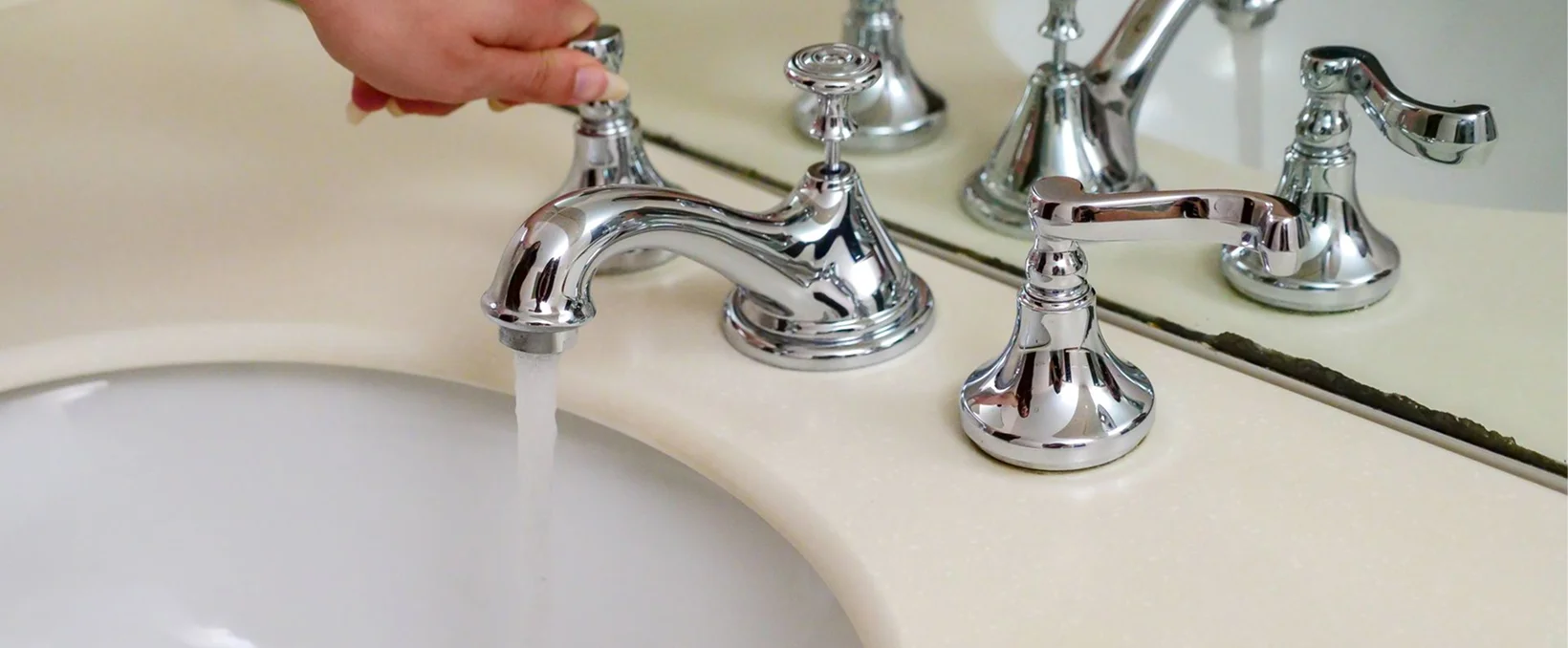
One of the more common plumbing hassles at home is a faucet that keeps dripping , usually it happens because the washer is worn out, or there’s an O-ring that’s tired, and sometimes it’s the cartridge in the tap.
Quick fix: Turn off the water supply, replace the worn part, and reassemble the faucet.
If changing the parts still does not stop the leak, then maybe its time to call a professional , for that leaking faucet repair.
2. Running Toilets
If your toilet keeps runing after flushing , youre wasting way more water than you think.
Typically the flapper in the tank has become worn out or the chain has a bit of a slippage, such as it can’t sit right.
Quick fix: Change out flapper or make a chain adjustment so that the toilet closes tightly.
3. Slow Drains
Hair, soap residue, grease, and food waste gradually build up inside pipes.
Quick fix:
- Remove visible debris
- Use a drain snake
- Try a plunger before using chemical cleaners
Don’t let grease, or cooking oil, just go pouring into the kitchen sink.
4. Leaking Sink Pipes
When you see water pooling under the sink, it’s a sort of silent sign that pipe connections are loose, or that the pipe’s seals are worn.
Quick fix: Hand tighten slip nuts and replace any compromised rubber washers, if necessary.
5. Hidden Pipe Leaks
Not all leaks can be seen. Signs include:
- Higher water bills
- Damp walls
- Musty smells
- Peeling paint
Quick fix: Close all the water faucets in the house, including the toilet tank, and watch the water meter. If it continues to move, even slightly, it may be a “hidden” leak that’s in dire need of quick attention.
6. Low Water Pressure
When the water flow is weak, showers plus taps become kind of irritating, honestly it’s hard to use them without frustration.
Common causes include:
- Dirty faucet aerators
- Mineral buildup
- Small leaks
- Partially closed valves
Quick fix: Remove and clean the faucet aerator before looking for larger issues.
Many water pressure problems start with this simple blockage.
7. High Water Pressure
Too much pressure is kinda as harmful as having too little, and it can get pretty damaging in the long run. When the pressure goes past the recommended levels it may shorten the lifespan of the pipes, the appliances, and the fittings too.
Quick fix: Test the pressure using a gauge. If it’s too high, install or adjust a pressure-reducing valve.
8. Jammed Garbage Disposal
A disposal unit can jam after hard food scraps or utensils become trapped inside.
Quick fix:
- Turn off the power.
- Press the reset button underneath.
- Use the manufacturer’s wrench to carefully rotate the blades manually.
Never put your hand inside the disposal.
9. Water Heater Sediment
Over time, minerals will settle inside the water heater. This decreases the efficiency of the heating and can shorten the lifespan of the unit.
Quick solution: Flush and drain the tank once a year.
10. Corroded Anode Rod
Most water heaters have an anode rod that protects the tank from corrosion.
Quick fix: Check it periodically for a couple of years and change when it shows signs of wear. This is a cheap component that can help you prolong the life of your water heater.
11. Stuck Shut-Off Valves
Shut-off valves are not utilized by many homeowners until a crisis arises, and then they find that they cannot be turned.
Quick fix: Open and close each shut-off valve twice a year to keep it moving.
12. Worn Washing Machine Hoses
Older rubber hoses can crack outta nowhere and lead to major water damage, sometimes it’s pretty bad and you don’t even get a proper warning.
Quick fix: Replace ageing rubber hoses with braided stainless steel versions every few years.
13. Frozen Pipes
Canadian winters make frozen pipes a nonstop worry. When water freezes it expands and it may burst the pipe.
Quick fix:
- Insulate any exposed pipes
- Seal those cold air leaks
- During really extreme nights, let the faucets drip (just a little)
14. Toilet Base Leaks
When water collects at the base of the toilet, it’s likely that the wax ring beneath the toilet has failed. They tend to fail over time and water will pool at the base of the toilet.
Quick fix: Remove the toilet and install a new wax ring before reinstalling it.
This kind of pipe repair is often best handled by a seasoned plumber, just so you don’t end up making it worse.
15. Sewer Line Backups
When several drains back up simultaneously or you hear gurgling noises from the drains, there’s a good chance that something’s clogged in the main sewer line.
Tree roots, grease, and general debris are pretty common culprits.
Quick fix: Try not to use the drains until the blockage gets cleared professionally.
16. Sump Pump Failure
This is the case in basements where a sump pump can be helpful to stop flooding when it is heavy rain, or when snow melt ramps up and adds more water.
Quick Fix: Pour one bucket of water in to the pit. This is to see if the float kicks in, and then the pump actually moves the water out correctly.
Doing that once or twice a year can help avoid those unpleasant surprises, later.
17. Vent Pipe Blockages
Roof vents help your plumbing ventilate it self, pretty much how it’s supposed to. Now and then they can end up clogged by stuff like leaves, little nests, or plain old debris, and then the drainage can start moving slower , like it’s having trouble taking a breath or something similar.
You might notice it when:
- Slow drains
- Gurgling sounds
- Sewer smells indoors
When the vent is cleared, air will usually go back to normal and things will proceed as before.
A Simple Plumbing Maintenance Checklist
Good residential plumbing doesn’t have to be a tricky thing, and that’s for a number of reasons. It is merely a list and it is not a big deal; it can be created anytime of the year:
- Check for leaking taps
- Inspect under sinks for moisture
- Test shut-off valves
- Clean faucet aerators
- Flush the water heater annually
- Check washing machine hoses
- Test the sump pump
- Clear slow drains
- Inspect outdoor faucets before winter
- Watch for changes in water pressure
A few minutes each season might help you dodge much bigger repairs later, and really it’s kind of easy to overlook.
When to Schedule a Plumbing Inspection
There are plumbing issues that won’t really show up until they already caused harm, so it’s smart to schedule a professional plumbing inspection if you run into any of these signs:
- Your home is older
- Water bills suddenly increase
- You notice damp walls or ceilings
- Water pressure changes without explanation
- Drains regularly clog
- You’re buying or selling a home
Regular inspections matter because they can usually locate a problem early before it turns into an emergency.
Know When DIY Isn’t Enough
Home maintenance is something that many homeowners can do. However, certain repairs should always be done by experts.
Jobs such as major leaks, sewer backup plumbing, plumbing damage, water heater repair, and more complex plumbing repair duties will need the proper tools and experience.
Check out TapAFix, it’s simple to find verified local plumbers through this app, get plumbing issues resolved and avoid large repair bills.
To Conclude
Keeping up with good plumbing is more than just jumping in to do-it-yourself repairs. It’s just about identifying problems early, and taking a little bit of action that’s proactive in nature so that it doesn’t become a “repair marathon” later on down the road.
Using a few basic plumbing tips and performing routine inspections or scheduling inspections when things look amiss, can help minimize the risk of leaks, water damage, and those unexpected plumbing nightmares.
Little care now – large time, money and stress savings tomorrow!
Frequently Asked Questions (FAQs)
What are the most common plumbing problems?
Usually the most common plumbing problems are like clogged drains, dripping faucets , running toilets, low water pressure, pipe leaks, and then those trouble stuff with the water heater.
What is the 135 rule in plumbing?
The 1-3-5 rule refers to sizes of plumbing vents, and if it still meets the requirements of local plumbing codes, one vent could be used for multiple fixtures. The details of the use vary from code to code, depending on the region.
What are the different types of plumbing maintenance?
Plumbing maintenance can mean preventive maintenance, routine inspections , drain cleaning, leak detection, water heater servicing and general pipe maintenance.
What are the safety issues in plumbing?
Water leaks, burst pipes, sewer gas leaks, contaminated water, mould growth and faulty water heaters that cause burns or flooding are some common plumbing safety concerns.